Join the 28-Day Challenge
Empower Change
Become a sponsor and help us drive impactful change. Your support will empower individuals to achieve their goals and transform their lives
Support Our Mission
Make a Difference
Your sponsorship will provide essential resources for participants. Together, we can create a supportive community and inspire positive change. Your sponsorship will provide essential resources for participants. Together, we can create a supportive community and inspire positive change.
Gain Visibility
Partner with Us
“As a sponsor, your brand will be prominently featured throughout the 28-Day Challenge. Gain exposure and connect with a dedicated audience.
Be a Catalyst for Change
Join the Movement
Support the 28-Day Challenge and be part of a transformative journey. Your sponsorship will help us reach more people and make a lasting impact.
The 28-Day Challenge starts in
- 00Days
- 00Hours
- 00Minutes
- 00Seconds
Viola Desmond: The courageous Catalyst of Canadian Civil Rights
Imagine a world where the mere act of sitting in a movie theater could ignite a revolution. In the sleepy town of New Glasgow, Nova Scotia, 1946, one woman’s defiance against racial segregation paved the way for monumental changes in Canadian civil rights. Her name was Viola Desmond, a name that now resonates with courage and the relentless pursuit of justice. This is her story—a story that continues to inspire generations to stand up against injustice.
SubHeading Text - Include Key word
Discover the inspiring story of Viola Desmond, a pioneer in Canadian civil rights who courageously stood against racial segregation. Learn about her life, the pivotal incident at the Roseland Theatre, and her enduring legacy.Lorem ipsum dolor sit amet, consectetur adipiscing elit. Ut elit tellus, luctus nec ullamcorper mattis, pulvinar dapibus leo.
Viola Desmond’s arrest led to a protracted legal battle. Despite her lawyer’s arguments highlighting the racial discrimination she faced, the courts upheld her conviction, citing her refusal to pay the one-cent tax difference between the balcony and main floor tickets. This verdict underscored the systemic racism ingrained in the legal system.
Although she did not win her case, Viola’s struggle brought national attention to the issue of racial segregation in Canada. It galvanized activists and community leaders, leading to increased advocacy for civil rights and changes in discriminatory laws and practices.
The Early Life of a Trailblazer
The Incident That Sparked a Movement
Legal Battles and the Fight for Justice
Viola Desmond’s Legacy
Honoring a Pioneer
The Early Life of a Trailblazer
Viola Irene Desmond was born on July 6, 1914, in Halifax, Nova Scotia. From a young age, she was acutely aware of the racial barriers that existed in Canadian society. Despite the challenges, Viola was determined to carve out a successful career for herself. She trained as a teacher but soon found her passion in the beauty industry. In an era when Black women were often excluded from professional opportunities, Viola broke through these barriers by establishing her own beauty school—an institution dedicated to providing Black women with skills and opportunities in cosmetology.

Lorem ipsum dolor sit amet, consectetur adipiscing elit. Ut elit tellus, luctus nec ullamcorper mattis, pulvinar dapibus leo.
The Incident That Sparked a Movement
On November 8, 1946, during a business trip in New Glasgow, Viola Desmond decided to watch a movie at the Roseland Theatre. She purchased a ticket and sat in the main floor section reserved for white patrons, unaware of the theater’s segregation policy. When asked to move to the balcony, where Black patrons were segregated, Viola refused. Her defiance led to her being forcibly removed from the theater, arrested, and fined.
Viola’s arrest was not just an isolated incident; it was a reflection of the pervasive racial discrimination that existed in Canada. Her willingness to stand up against this injustice became a beacon of hope for many and sparked a broader civil rights movement within the country.
The Incident That Sparked a Movement
On November 8, 1946, during a business trip in New Glasgow, Viola Desmond decided to watch a movie at the Roseland Theatre. She purchased a ticket and sat in the main floor section reserved for white patrons, unaware of the theater’s segregation policy. When asked to move to the balcony, where Black patrons were segregated, Viola refused. Her defiance led to her being forcibly removed from the theater, arrested, and fined.
Viola’s arrest was not just an isolated incident; it was a reflection of the pervasive racial discrimination that existed in Canada. Her willingness to stand up against this injustice became a beacon of hope for many and sparked a broader civil rights movement within the country.
Legal Battles and the Fight for Justice
Viola Desmond’s arrest led to a protracted legal battle. Despite her lawyer’s arguments highlighting the racial discrimination she faced, the courts upheld her conviction, citing her refusal to pay the one-cent tax difference between the balcony and main floor tickets. This verdict underscored the systemic racism ingrained in the legal system.
Although she did not win her case, Viola’s struggle brought national attention to the issue of racial segregation in Canada. It galvanized activists and community leaders, leading to increased advocacy for civil rights and changes in discriminatory laws and practices.
Viola Desmond’s Legacy
Viola Desmond’s legacy is a testament to the power of resilience and the impact one individual can have on society. Her courage inspired subsequent generations to fight for equality and justice. In 2010, the Canadian government issued a posthumous pardon, acknowledging the injustice she faced. This act was a significant step in recognizing the systemic racism that existed and continues to exist in Canadian society.
In 2018, Viola Desmond became the first Canadian woman to appear alone on a banknote, featured on the $10 bill. This honor not only commemorates her contributions but also serves as a reminder of the ongoing fight for equality and justice.
Honoring a Pioneer
Certainly! Here’s a blog post on Viola Desmond, ensuring all the elements you’ve requested:
Magnetic Headline: Viola Desmond: The Courageous Catalyst of Canadian Civil Rights
Compelling Lead: Imagine a world where the mere act of sitting in a movie theater could ignite a revolution. In the sleepy town of New Glasgow, Nova Scotia, 1946, one woman’s defiance against racial segregation paved the way for monumental changes in Canadian civil rights. Her name was Viola Desmond, a name that now resonates with courage and the relentless pursuit of justice. This is her story—a story that continues to inspire generations to stand up against injustice.
Useful Subheads:
The Early Life of a Trailblazer
The Incident That Sparked a Movement
Legal Battles and the Fight for Justice
Viola Desmond’s Legacy
Honoring a Pioneer
Informative and Engaging Body:
The Early Life of a Trailblazer
Viola Irene Desmond was born on July 6, 1914, in Halifax, Nova Scotia. From a young age, she was acutely aware of the racial barriers that existed in Canadian society. Despite the challenges, Viola was determined to carve out a successful career for herself. She trained as a teacher but soon found her passion in the beauty industry. In an era when Black women were often excluded from professional opportunities, Viola broke through these barriers by establishing her own beauty school—an institution dedicated to providing Black women with skills and opportunities in cosmetology.
The Incident That Sparked a Movement
On November 8, 1946, during a business trip in New Glasgow, Viola Desmond decided to watch a movie at the Roseland Theatre. She purchased a ticket and sat in the main floor section reserved for white patrons, unaware of the theater’s segregation policy. When asked to move to the balcony, where Black patrons were segregated, Viola refused. Her defiance led to her being forcibly removed from the theater, arrested, and fined.
Viola’s arrest was not just an isolated incident; it was a reflection of the pervasive racial discrimination that existed in Canada. Her willingness to stand up against this injustice became a beacon of hope for many and sparked a broader civil rights movement within the country.
Legal Battles and the Fight for Justice
Viola Desmond’s arrest led to a protracted legal battle. Despite her lawyer’s arguments highlighting the racial discrimination she faced, the courts upheld her conviction, citing her refusal to pay the one-cent tax difference between the balcony and main floor tickets. This verdict underscored the systemic racism ingrained in the legal system.
Although she did not win her case, Viola’s struggle brought national attention to the issue of racial segregation in Canada. It galvanized activists and community leaders, leading to increased advocacy for civil rights and changes in discriminatory laws and practices.
Viola Desmond’s Legacy
Viola Desmond’s legacy is a testament to the power of resilience and the impact one individual can have on society. Her courage inspired subsequent generations to fight for equality and justice. In 2010, the Canadian government issued a posthumous pardon, acknowledging the injustice she faced. This act was a significant step in recognizing the systemic racism that existed and continues to exist in Canadian society.
In 2018, Viola Desmond became the first Canadian woman to appear alone on a banknote, featured on the $10 bill. This honor not only commemorates her contributions but also serves as a reminder of the ongoing fight for equality and justice.
Honoring a Pioneer
Today, Viola Desmond is celebrated as a national icon. Her story is taught in schools, her legacy honored through various awards and monuments, and her spirit continues to inspire. The Viola Desmond Chair in Social Justice at Cape Breton University and the Viola Desmond Awards at Ryerson University are just a few examples of how her contributions are recognized and remembered.
Viola Desmond: The Courageous Catalyst of Canadian Civil Rights
Viola Desmond’s courage and determination remind us that standing up against injustice, no matter how daunting, can lead to significant change. Let her story be a catalyst for your own actions in the fight for equality. Educate yourself, speak out against discrimination, and support organizations that continue to champion civil rights. Together, we can honor her legacy by continuing the work she so bravely began.
Click Here- All Posts
- 2025-BHM Challenge
- Art & Literature
- Black History Timeline
- Blog
- Community Support & Involvment
- Cultural Contributions
- Economic Empowerment
- Event
- Health & Wellness
- Historical Landmarks
- Innovators & Inventors
- Lesson Plans
- Media Library
- Notable Figures
- Youth Programs
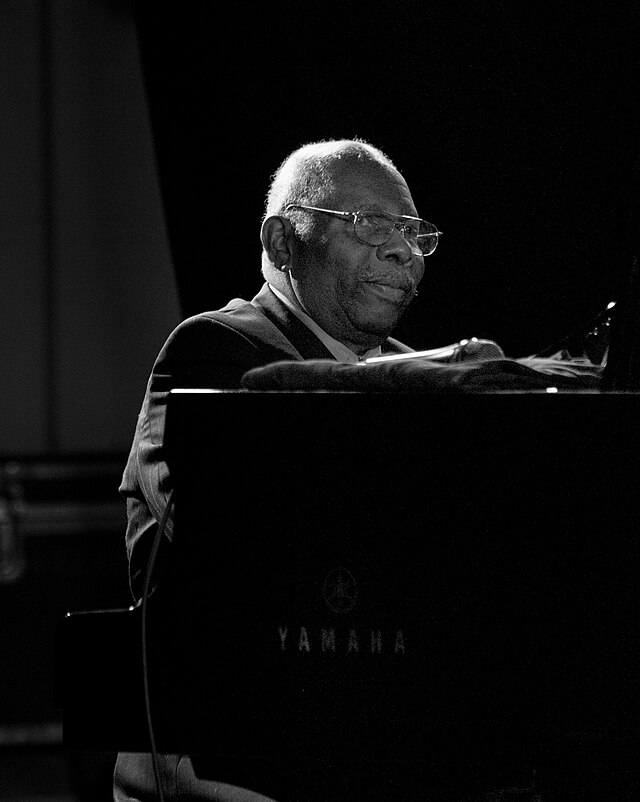
Register Login Celebrating Black Creativity Cultural Icons Celebrate the contributions of Black artists, musicians, and writers who have enriched our...
Discover Oliver Jones' Inspiring Story

Register Login Stories of Resilience & Impact Notable Heroes Welcome to the Black History Channel, where we celebrate the rich...
Looking for Help With:
Volunteering?
Registering for the Challenge?
Joining Our Team?
Need More Information?
Becoming a Sponsor?
Anything else?
We’d love to hear from you! Whether you have questions about our events, need more information, or want to get involved, feel free to reach out.
Main Office Phone Number
+1 (438) 788-3692
info@bhm28.ca

Practice Area
Family Law
Financial Law
Drug Offences
Family Law
Fire Accident
Sexual Offences
© 2024 Genesis Community Foundation