
Martin Luther King Jr.'s Vision
A Dream for Equality
Explore the powerful legacy of Martin Luther King Jr. and his enduring impact on the fight for civil rights.
Celebrating Black Creativity
Cultural Icons
Celebrate the contributions of Black artists, musicians, and writers who have enriched our culture.
The Path to Freedom
Harriet Tubman's Courage
Discover the incredible bravery of Harriet Tubman and her role in the Underground Railroad.
Voices of Today
Learn about the modern movement for racial justice and the voices that are shaping the future.
Black History Channel
Welcome to the Black History Channel, where we celebrate the rich and diverse history of Black communities. Here, you’ll find a variety of posts that delve into different aspects of Black history, culture, and achievements. Whether you’re interested in historical figures, cultural movements, or contemporary issues, our categories will guide you through a wealth of knowledge and inspiration. Explore, learn, and join us in honoring the legacy and future of Black history.

Carter G. Woodson: The Father of Black History and His Legacy
Woodson's dedication to preserving African American history is unmatched. He worked hard to share this history with the world. His efforts have left a lasting impact on Black History. As we celebrate Black History Month, we must honor Carter G. Woodson's contributions. His work has helped us understand African American history better. Woodson's legacy inspires us to learn and appreciate African American culture.

Carter G. Woodson is known as the Father of Black History. He played a key role in promoting African American history and culture. His work has shaped how we celebrate Black History Month today.
Woodson’s dedication to preserving African American history is unmatched. He worked hard to share this history with the world. His efforts have left a lasting impact on Black History.
As we celebrate Black History Month, we must honor Carter G. Woodson’s contributions. His work has helped us understand African American history better. Woodson’s legacy inspires us to learn and appreciate African American culture.
Carter G. Woodson: The Father of Black History and His Legacy
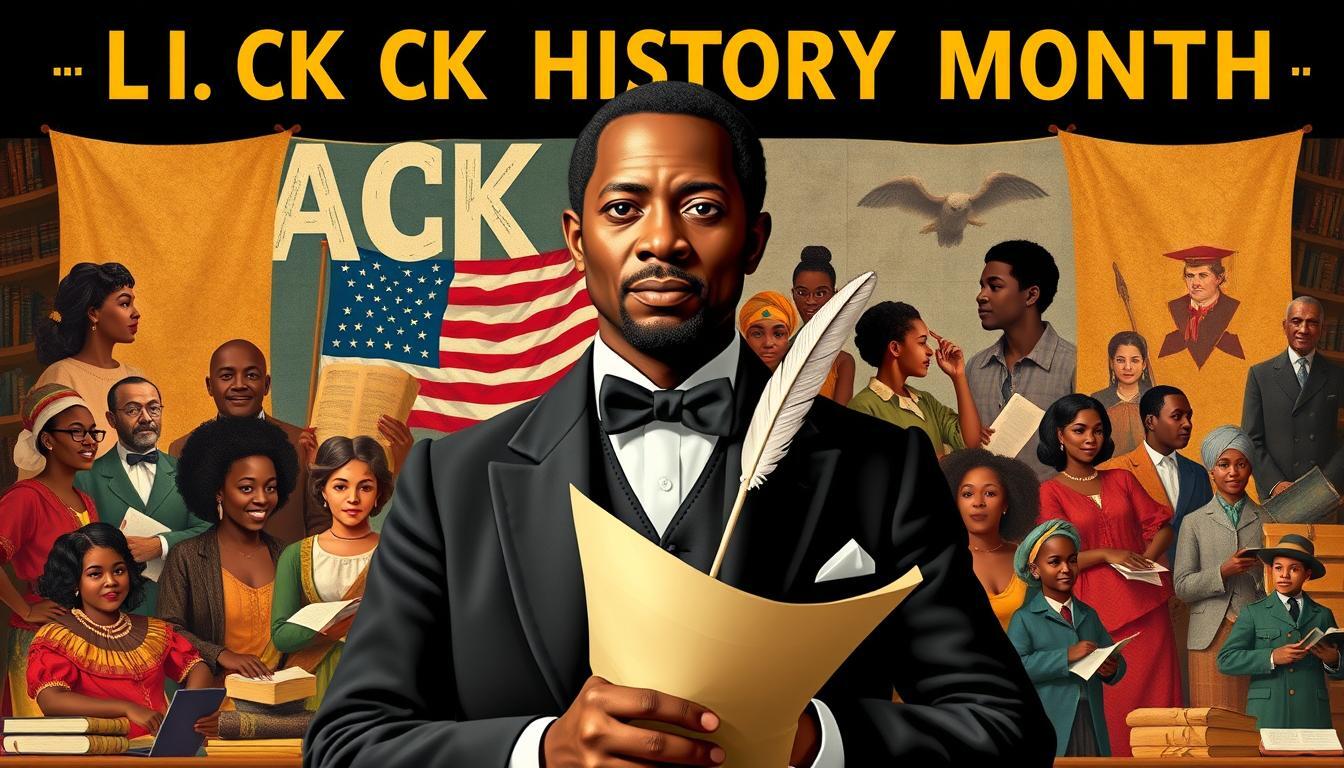
Carter G. Woodson is known as the Father of Black History. He played a key role in promoting African American history and culture. His work has shaped how we celebrate Black History Month today.
Woodson’s dedication to preserving African American history is unmatched. He worked hard to share this history with the world. His efforts have left a lasting impact on Black History.
As we celebrate Black History Month, we must honor Carter G. Woodson’s contributions. His work has helped us understand African American history better. Woodson’s legacy inspires us to learn and appreciate African American culture.
Carter G. Woodson’s impact goes beyond Black History Month. He was a trailblazer in African American history. His commitment to education and cultural awareness has changed how we see African American experiences.
Key Takeaways
- Carter G. Woodson is known as the Father of Black History
- He played a crucial role in promoting African American history and culture
- Woodson’s work has had a lasting impact on Black History Month celebrations
- He was a pioneer in the field of African American history and education
- Woodson’s legacy continues to inspire people to learn about and appreciate African American history and culture
- His contributions have shaped our understanding of African American experiences and contributions to society
The Early Life of Carter G. Woodson
Carter G. Woodson was born in Virginia, surrounded by the state’s rich history. His path to education was tough, with many obstacles. Yet, he kept going, driven by a need to learn and help his community.
Woodson’s early years were filled with curiosity and a love for learning. He was mostly self-taught, due to limited access to schools in his area. This didn’t stop him; he kept chasing his educational dreams with passion.
- His birth in Virginia, which exposed him to the state’s complex history and cultural heritage
- His self-taught education, which showed his resourcefulness and dedication to learning
- His early experiences with racism and discrimination, which shaped his view on African American history and cultural pride
As Woodson learned more, he understood the value of African American culture. He saw the need to keep and share this history. His work would inspire many to be proud of their cultural roots.
Educational Achievements and Academic Career
Carter G. Woodson’s academic journey was filled with educational achievements that set the stage for his work in African American history. He started at Berea College in Kentucky and then moved to the University of Chicago. There, he earned his Bachelor’s and Master’s degrees.
Woodson’s passion for learning led him to Harvard University for his Ph.D. in history. He became the second African American to achieve this milestone at Harvard.
Woodson’s legacy in education is a reflection of his commitment to African American history. He worked as a teacher, principal, and superintendent in Washington, D.C. Later, he became a professor at Howard University.
Through his efforts, Woodson sought to enhance understanding of African American history. He believed it was crucial for the nation’s past, present, and future.
- Establishing the Association for the Study of Negro Life and History (now known as the Association for the Study of African American Lifeand History)
- Founding the Journal of Negro History
- Publishing numerous books and articles on African American history
Woodson’s contributions have profoundly influenced African American history and education. His work has left a lasting mark, solidifying his legacy as a trailblazer in promoting diversity and inclusion in academia.
The Birth of Black History Month
Black History Month started as Negro History Week in 1926. Carter G. Woodson and the Association for the Study of Negro Life and History created it. They wanted to highlight African American history and culture.
Over time, it grew into Black History Month in the 1960s. The Civil Rights Movement pushed for this change. Now, it’s celebrated in the U.S., Canada, and more, honoring Carter G. Woodson’s dream.
Negro History Week: The Precursor
Negro History Week was set in February. It honored Abraham Lincoln and Frederick Douglass. This choice highlights February’s importance in African American history.
Evolution into Black History Month
The Civil Rights Movement made people want more. Expanding to a month let us dive deeper into African American heritage. It boosted cultural pride and community.
Choosing February: The Historical Significance
February was picked for Black History Month’s significance. It remembers Lincoln and Douglass’ birthdays and key African American events. It’s a nod to the fight for equality and the importance of African American history.
Woodson’s Groundbreaking Publications
Carter G. Woodson made huge contributions to African American history. His books helped shape the field of historical documentation. He worked hard to make people understand the African American experience better.
His most famous work is The Journal of Negro History. It opened doors for scholars and researchers. This journal explored African American history from slavery to today.
The Impact of Woodson’s Research
Woodson’s work deeply influenced historical documentation, especially for African American history. Some of his key works include:
- The Mis-Education of the Negro, a book that critiques the education system and its effects on African Americans
- The Negro in Our History, a textbook that highlights the contributions of African Americans to American history
- African Myths and Folk Tales, a collection of stories that showcase the rich cultural heritage of Africa
These books have greatly helped us understand African American history. They have made Woodson a key figure in historical documentation.

Legacy and Influence
Woodson’s books have inspired many scholars, researchers, and educators. They have changed how we see African American history today. His work continues to shape historical documentation, keeping African American stories alive for future generations.
| Publication | Year | Significance |
|---|---|---|
| The Journal of Negro History | 1916 | Pioneering journal for African American historical research |
| The Mis-Education of the Negro | 1933 | Critique of the education system and its effects on African Americans |
| The Negro in Our History | 1922 | Textbook highlighting African American contributions to American history |
The Association for the Study of African American Life and History
The Association for the Study of African American Life and History was started by Carter G. Woodson. It aims to study and appreciate African American life and history. This group was key in Woodson’s goal to teach people about the value of historical study and its role in cultural pride.
Some main goals of the association are:
- Promoting research and education on African American life and history
- Encouraging the study and appreciation of African American culture
- Supporting the development of educational materials and resources
The association’s efforts have greatly influenced how we see and value African American life and history. It has helped make our society more inclusive and fair by focusing on historical study and cultural pride.
Today, the association keeps working to promote the study and appreciation of African American life and history. Its efforts honor the lasting impact of Carter G. Woodson. They show his dedication to cultural pride and historical study.
| Year | Event | Impact |
|---|---|---|
| 1915 | Founding of the Association for the Study of African American Life and History | Promoted research and education on African American life and history |
| 1920s | Development of educational materials and resources | Supported the development of African American studies programs |
| Present day | Ongoing promotion of historical study and cultural pride | Continues to promote a more inclusive and equitable society |
Woodson’s Educational Philosophy and Teaching Methods
Carter G. Woodson believed in empowering students by teaching them about their cultural heritage. His methods were new and focused on practical learning and thinking critically. He thought that knowing their history helped students feel more connected to themselves and their communities.
Woodson’s philosophy was all about cultural pride. He wanted students to learn about and love their roots. This not only boosted their self-esteem but also made them feel more connected to their community. His teaching was interactive and made complex ideas easy to understand for everyone.
Some key parts of Woodson’s approach include:
- Emphasis on cultural pride and heritage
- Innovative, hands-on learning approaches
- Focus on critical thinking and analysis
- Encouragement of community involvement and social responsibility
Today, Woodson’s ideas still inspire teachers to make education more inclusive and culturally aware. His methods have greatly influenced how we view education and its role in understanding the world.
Looking into Woodson’s ideas helps us see why cultural pride and community involvement are key in education. His legacy reminds us of education’s power to shape our lives and communities. It also highlights the need for constant improvement in teaching methods.
| Aspect of Educational Philosophy | Description |
|---|---|
| Cultural Pride | Emphasis on understanding and appreciating one’s cultural heritage |
| Innovative Teaching Methods | Hands-on, interactive approaches to learning |
| Community Involvement | Encouragement of social responsibility and community engagement |
Impact on Contemporary Black History Studies
Carter G. Woodson’s work has had a lasting contemporary impact on Black History studies. His legacy continues to shape current research and education. He worked hard to promote African American history and culture.
Today, Black History studies are more diverse and inclusive. They focus on the experiences of African Americans throughout history. Woodson’s legacy is seen in institutions like the Association for the Study of African American Life and History.
Woodson’s work has made a big difference in several areas:
- Increased representation and diversity in educational materials
- Greater emphasis on African American culture and contributions
- More opportunities for scholars and educators to engage with Black History studies
Woodson’s work has had a profound contemporary impact on Black History studies. His legacy inspires new generations of scholars, educators, and leaders. It’s crucial to keep building on Woodson’s foundation and celebrate African American history and culture.
Global Influence and Recognition of Black History Month Today
Black History Month has become a global event, celebrated in many countries. In Canada and the United Kingdom, it’s celebrated in October. This shows how Carter G. Woodson’s work to honor African American history and culture has spread worldwide.
In countries like Canada and the UK, Black History Month is celebrated with pride. Canada highlights the achievements of Black Canadians. Meanwhile, in the United Kingdom, there are lectures, exhibitions, and cultural shows.
International Observances
- Canada: Celebrated in February, with a focus on Black Canadian history and culture
- United Kingdom: Celebrated in October, with a range of events and activities
- Germany: Celebrated in May, with a focus on African German history and culture
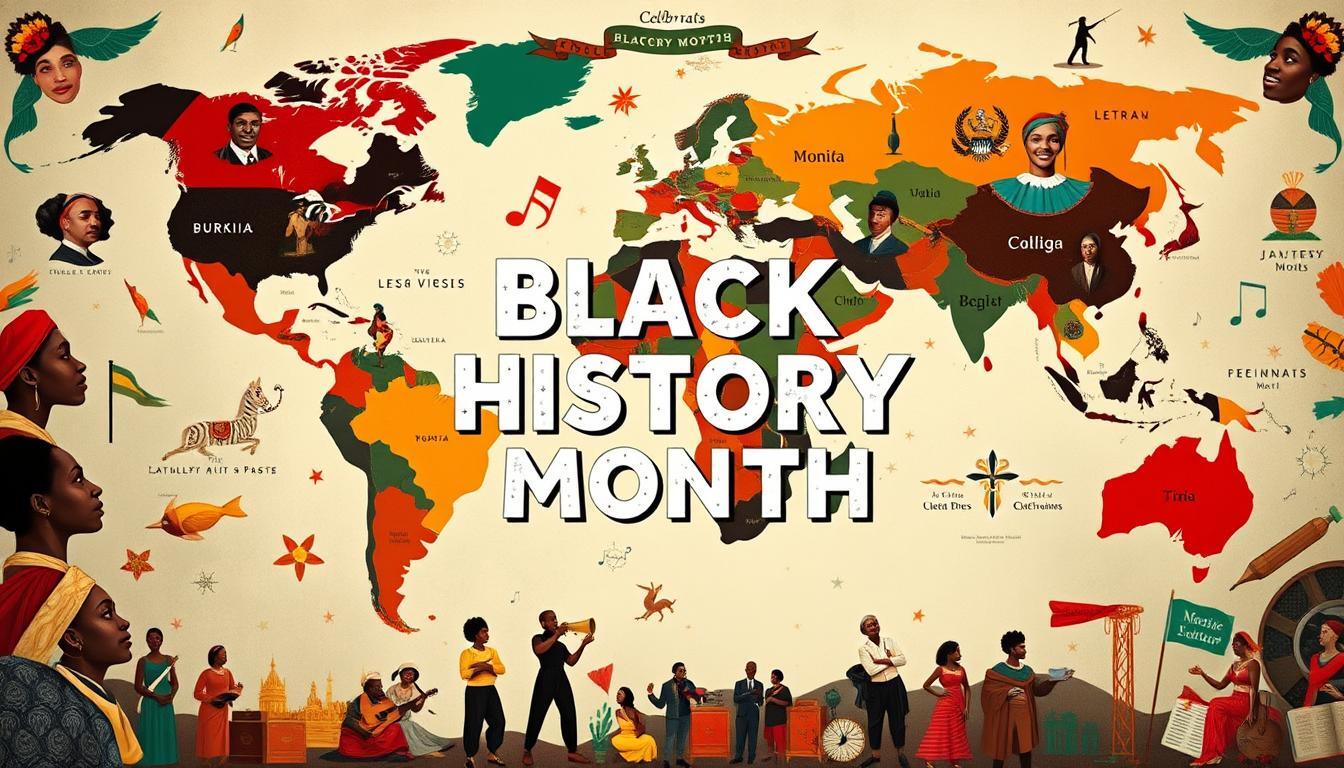
New traditions and celebrations have emerged because of Black History Month. Many groups and communities hold events to promote diversity and inclusion. These efforts have made Black history and culture more known and valued globally.
Conclusion: Woodson’s Enduring Legacy in Modern Society
Carter G. Woodson’s legacy has stood the test of time, shaping our view of modern society. His dedication to African American history has been key in growing Black History Month globally.
Woodson’s work in education and publishing has inspired many. He showed us the value of African American contributions to American history. Now, Black History Month celebrates these contributions, promoting cultural awareness and change.
Woodson’s impact still guides us today. It encourages us to value diversity and understand the African American experience. Remembering him, we see the need to keep our history alive, empower our communities, and strive for a fairer society.
Stories of Resilience & Impact
Explore the inspiring stories of these remarkable individuals
Join us in celebrating the groundbreaking contributions of Black scientists in medicine and technology. Despite facing numerous challenges, these trailblazers have made remarkable advancements that have revolutionized healthcare, technology, and our understanding of science. Their dedication, resilience, and ingenuity have paved the way for future generations of diverse scientists. Explore the inspiring stories of these remarkable individuals and their transformative contributions to science. Check out these articles to learn more about their incredible journeys and discover what you may have missed. Dive into the legacy of innovation and perseverance that continues to shape our world today.
Stories of Resilience & Impact
Unsung Heroes
Uncover the remarkable stories of individuals who have made significant contributions to history. Their achievements and resilience deserve to be remembered and honored. Check out these articles to learn more about their incredible journeys and discover what you may have missed.



Looking for Help With:
Volunteering?
Registering for the Challenge?
Joining Our Team?
Need More Information?
Becoming a Sponsor?
Anything else?
We’d love to hear from you! Whether you have questions about our events, need more information, or want to get involved, feel free to reach out.
Main Office Phone Number
+1 (438) 788-3692
info@bhm28.ca

Contact Us
Call us
(438) 788-3692
Email Us
info@bhm28.ca